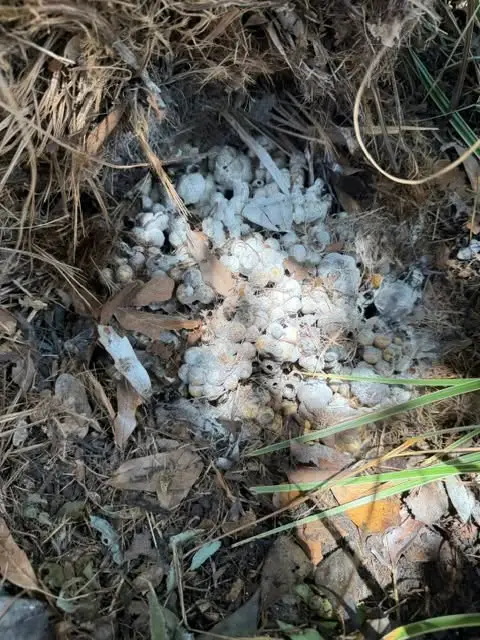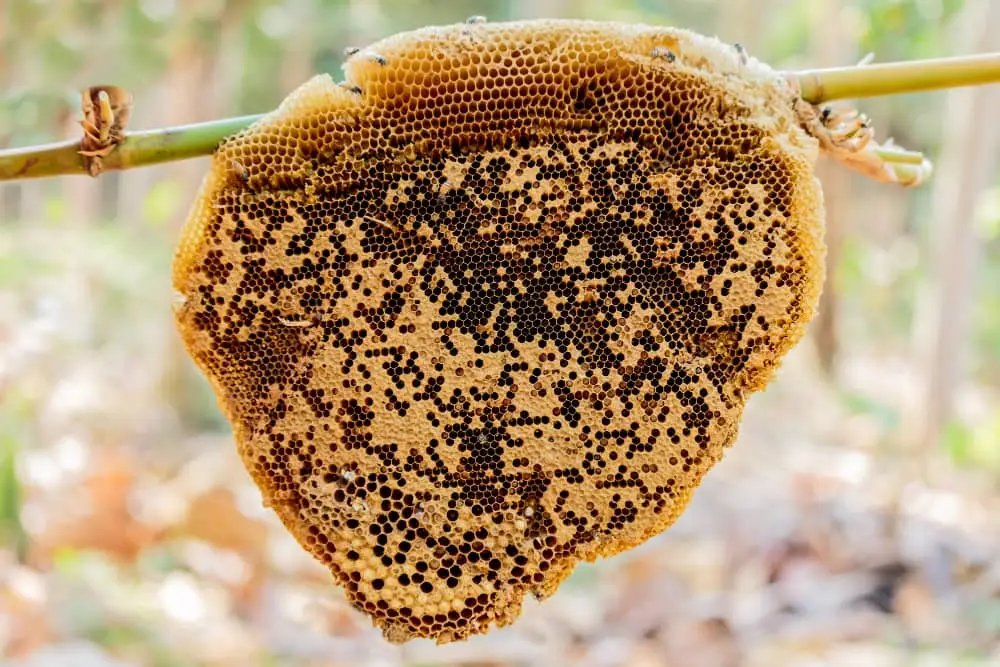
The comb stays behind
Extermination removes the bees and none of the structure they built. Comb keeps leaking honey into the cavity.
Live removal
We remove live honey bee colonies from walls, attics, soffits and chimneys, relocate the bees rather than killing them, and close the structure back up behind the work.
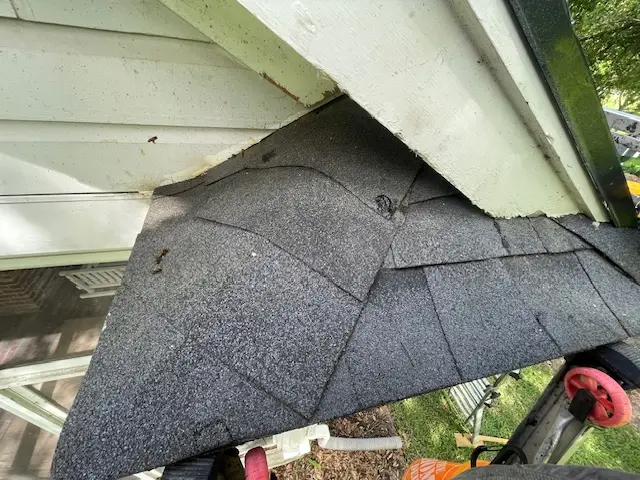
Honey bee removal extracts a live colony, its comb and its honey from a structure, then relocates the bees to a beekeeper. The price depends on where the colony sits, because a colony inside a wall means opening the cavity and rebuilding it. The free inspection confirms the price.
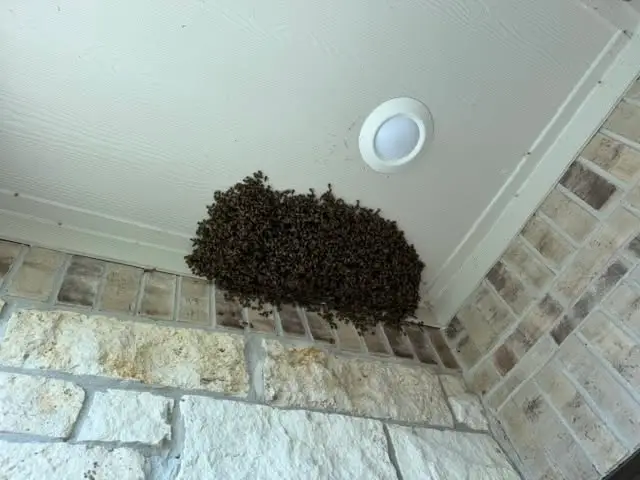
A swarm is a temporary cluster of bees hanging in the open, usually on a branch or fence. An established colony lives inside a cavity and has built comb. Swarms cost less to remove, because no structure has to be opened.
A swarm looks like a football-sized cluster of bees on a branch, fence post or wall. It holds one queen and 5,000 to 20,000 workers waiting while scouts find a permanent cavity. A swarm stays between 2 hours and 3 days. It carries low sting risk, because the bees have no comb or stores to defend.
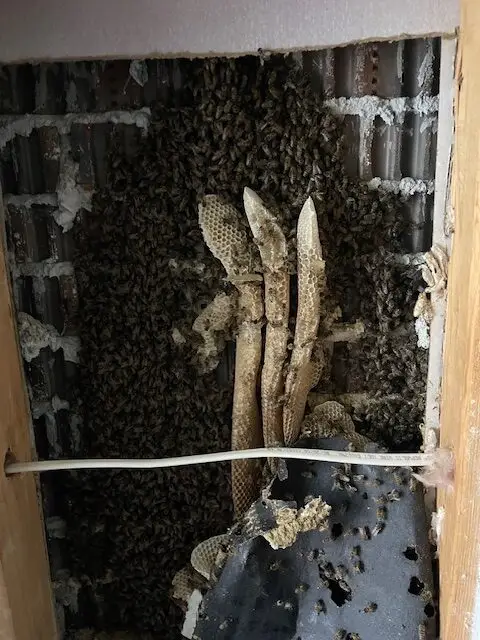
An established colony lives inside a wall void, attic, soffit or chimney. It has built wax comb, stored honey and raised brood. Removing it means opening the cavity, because the comb is the part that matters.
Call the moment you see a swarm. A swarm removed from a branch costs a fraction of the same colony removed from a wall two weeks later.
A live removal runs in five stages. A technician locates the colony with thermal imaging, opens the cavity at that point, vacuums the bees into a transport box, cuts out the comb, then rebuilds the structure.
Thermal imaging shows the cluster behind drywall or siding. Locating it first keeps the opening small, which keeps the repair small.
We cut at the located point only. Siding, soffit or drywall comes off in sections so it goes back cleanly.
Smoke calms the colony and the bees go into a transport box with the queen. The colony then goes to a beekeeper.
Every piece of comb comes out. Comb left in a wall keeps leaking honey and attracts ants, rodents and wax moths.
The cavity is scraped, cleaned of pheromone residue, packed and sealed. Then the structure goes back as it was.
Customers receive photographs through each stage. Four customer reviews describe this sequence, including the roof going back the way it came off.
Extermination kills the bees and leaves the comb, the honey and the pheromone trail inside the wall. That residue leaks, attracts secondary pests, and signals to the next swarm that the cavity works.
Extermination removes the bees and none of the structure they built. Comb keeps leaking honey into the cavity.
An established colony stores tens of pounds of honey. Once the bees stop tending it, it leaks through drywall and stains ceilings.
Abandoned comb attracts ants, cockroaches, rodents and wax moths. One infestation therefore produces a second.
Pheromone residue marks the cavity as proven. The next swarm selects the same wall.
Texas regulates beekeeping through the Texas Apiary Inspection Service. Relocation puts a viable colony with a beekeeper.
Three signs indicate a colony inside a structure: sustained buzzing through the wall, a steady line of bees entering one opening, and dark staining on interior drywall below the activity.
Five observations confirm an established colony rather than foraging bees:
Do not block the entrance. Bees sealed inside a wall chew toward the light, which frequently brings them into the room.
The price of honey bee removal depends on where the colony sits. A swarm or an accessible exterior hive takes less work than a colony inside a wall, attic or chimney. The inspection is free.
Three factors set the price:
See the bee removal cost guide for what moves a price.
Questions
No, not where the location allows relocation. Honey bee colonies go into a transport box and then to a beekeeper. We say at the inspection whether relocation is possible for your specific colony.
Yes. Opening the structure is part of the job, and so is closing it. Siding, soffit, drywall or roofing goes back as it came off. Customers receive photographs of each stage, including the finished reinstatement.
A swarm takes under an hour. A colony inside a wall takes four to eight hours, because the cavity has to be opened, the comb cut out, the space cleaned and sealed, and the structure rebuilt.
No. Bees sealed inside a cavity chew toward light and air, which commonly brings them into the living space. The comb and honey also remain, and both keep causing damage after the colony dies.
Removing the comb and the pheromone residue, then sealing the entry point, is what prevents reoccupation. Our removals carry a guarantee, and reviewers describe a one-year term. Confirm the current terms when you book.
No. A swarm collection is priced like any other job, because it takes a technician, equipment and a relocation destination. Swarms take the least work, because no structure gets opened.
More services
Raul The Bees Guy offers 6 other bee and wasp services, from wasp nest removal to bee prevention.
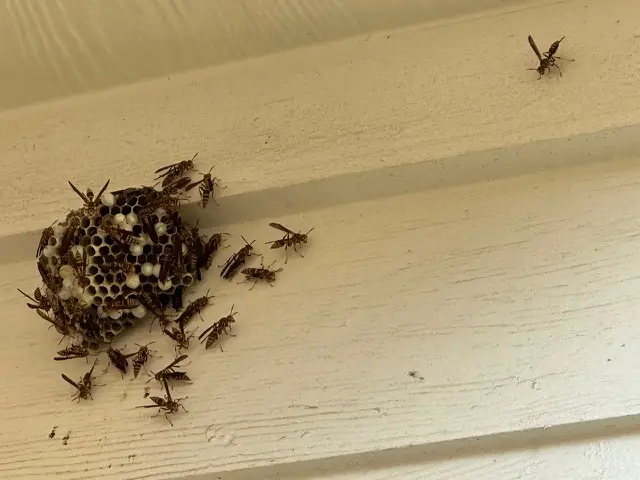
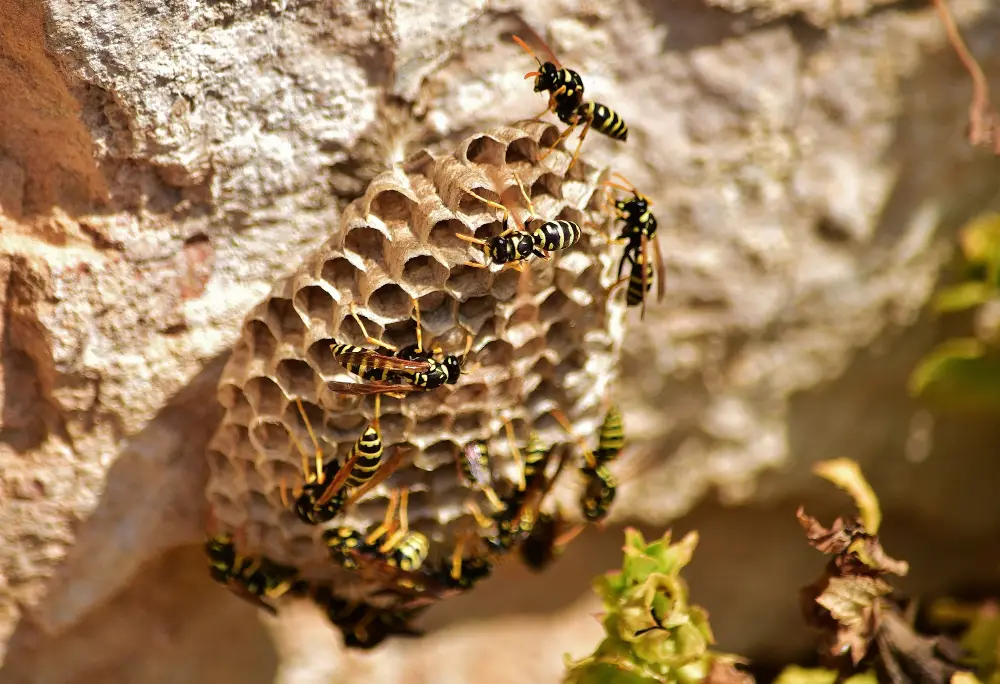
Paper wasps and hornets defend their nests in numbers. We extract the comb, clean the surface and seal the entry point.
Learn moreYellow jackets conceal nests underground and inside wall voids. We locate the colony first, then treat and extract it.
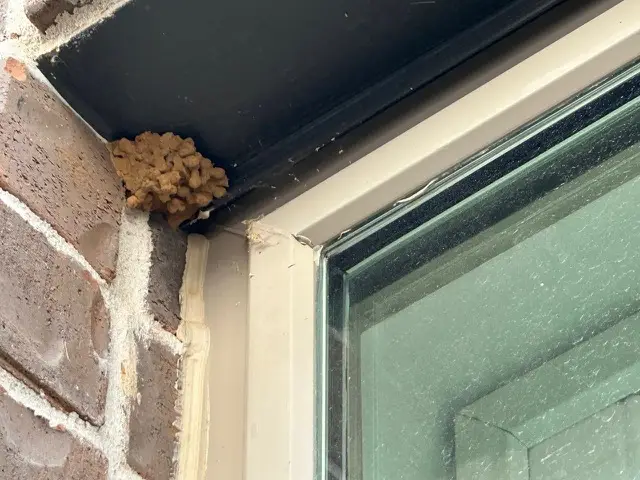
Learn moreMud daubers cement tubes to walls, eaves and light fittings. We remove the tubes and treat the surface so they do not rebuild.
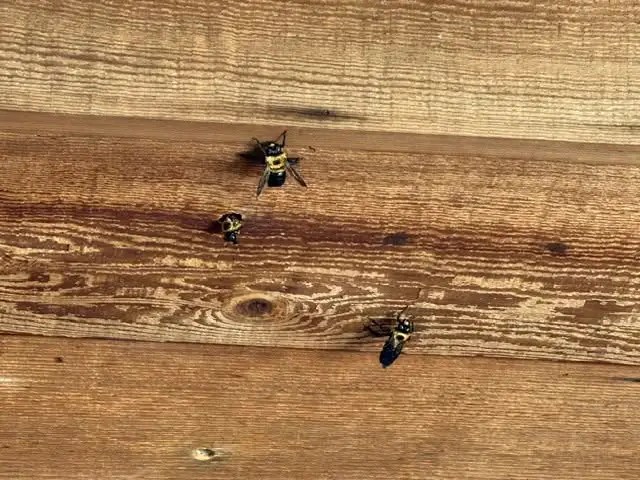
Learn moreCarpenter bees bore into untreated timber and return to the same boards each year. We treat the tunnels, then seal and protect the wood.
Learn moreBumble bees pollinate crops and gardens across Texas. We relocate the colony wherever the nest location allows it.
Learn moreA full structural treatment that removes visible nests, treats soffits, fascia lines and hidden cavities, and reduces activity from day one.
Learn moreFree estimate
You book a honey bee removal by sending a photograph of the bees and the entry point. We identify whether it is a swarm or an established colony, then quote a band before we travel.
We cover Katy, Houston and roughly 100 miles around them, 24 hours a day.
Book a free inspection
Enter your city or ZIP code, and we open the booking form with it filled in.
Call (832) 306-6846 for same-day help.